As a supplier in the flexible cable industry, I’ve often been asked whether flexible cables can be used in aerospace applications. This is a question that delves deep into the intersection of advanced technology and the demanding requirements of the aerospace sector. In this blog, I’ll share my insights based on years of experience and industry knowledge. Flexible Cable

The Basics of Flexible Cables
Flexible cables are designed to be highly adaptable and can bend, twist, and flex repeatedly without significant damage. They are typically made up of multiple thin conductors, often copper, which are insulated and then bundled together. This construction allows for flexibility while still maintaining electrical conductivity. The insulation materials can vary widely, including polymers like polyethylene, polyvinyl chloride (PVC), and fluoropolymers such as PTFE (Teflon). These materials offer different properties, such as resistance to heat, chemicals, and abrasion.
Demanding Requirements in Aerospace Applications
The aerospace industry has some of the most stringent requirements for any application. Components used in aerospace must be able to withstand extreme conditions, including high and low temperatures, radiation, vibration, and mechanical stress. For example, in space missions, temperatures can range from extremely cold in the shadow of a planet to very hot when exposed directly to the sun. Radiation from solar flares and cosmic rays can also damage electronic components over time.
Vibration is another significant factor. During take – off and landing, as well as during flight maneuvers, aerospace vehicles experience intense vibrations. These vibrations can cause mechanical fatigue in components, leading to failure if not properly accounted for. Additionally, weight is a critical consideration in aerospace. Every extra gram of weight can increase fuel consumption and reduce the overall efficiency of the vehicle.
Advantages of Using Flexible Cables in Aerospace
Despite the challenging requirements, flexible cables offer several advantages that make them suitable for aerospace applications.
Flexibility and Space Utilization
One of the most obvious advantages is their flexibility. In the confined spaces of an aerospace vehicle, flexible cables can be routed easily around obstacles, saving valuable space. This is especially important in satellite design, where every cubic centimeter is crucial for housing various instruments and equipment.
Resistance to Fatigue
Flexible cables are designed to withstand repeated bending and flexing. In aerospace applications, where cables may be subject to movement during flight maneuvers or during the deployment of various components, fatigue resistance is essential. Our flexible cables are engineered to have a high number of bend cycles without losing their electrical performance.
Customization
We understand that each aerospace project has unique requirements. That’s why we offer highly customizable flexible cables. We can adjust the conductor size, insulation material, and cable structure to meet specific electrical, thermal, and mechanical needs. For example, for applications where high – temperature resistance is required, we can use fluoropolymer insulation.
Challenges and Solutions
Of course, using flexible cables in aerospace is not without its challenges.
Temperature and Radiation Resistance
As mentioned earlier, aerospace environments expose components to extreme temperatures and radiation. To address this, we have developed special insulation materials that can withstand a wide range of temperatures and provide some level of radiation resistance. For example, our high – performance fluoropolymers can resist temperatures up to several hundred degrees Celsius and offer some protection against ionizing radiation.
Weight Optimization
Weight is always a concern in aerospace. To reduce the weight of our flexible cables, we use thinner conductors and lightweight insulation materials without sacrificing performance. We also focus on optimizing the cable design to eliminate any unnecessary components or materials.
Certification and Testing
Aerospace components must meet strict certification standards. We conduct rigorous testing on our flexible cables to ensure they meet or exceed these standards. Our testing includes environmental tests, such as temperature cycling, humidity testing, and vibration testing, as well as electrical performance tests to ensure consistent conductivity.
Real – World Applications
Flexible cables are already being used in a variety of aerospace applications.
Satellites
In satellites, flexible cables are used to connect various subsystems, such as power distribution units, communication systems, and scientific instruments. They are also used in the deployment mechanisms of solar panels and antennae. Our cables have been used in several satellite projects, providing reliable electrical connections in the harsh space environment.
Aircraft
In aircraft, flexible cables are used in avionics systems, flight control systems, and in – flight entertainment systems. They are essential for transmitting electrical signals and power throughout the aircraft. Our cables’ ability to withstand vibration and mechanical stress makes them a reliable choice for these critical applications.
Looking to the Future
The future of flexible cables in aerospace looks promising. With ongoing advancements in materials science and manufacturing technology, we expect to see even more high – performance flexible cables being developed. These cables will be able to withstand even more extreme conditions, have better electrical performance, and be lighter in weight.
As an industry, we are also working on improving the recyclability of our cables. In the aerospace sector, where sustainability is becoming increasingly important, developing eco – friendly cable solutions is a key area of research.
Encouraging Contact for Procurement
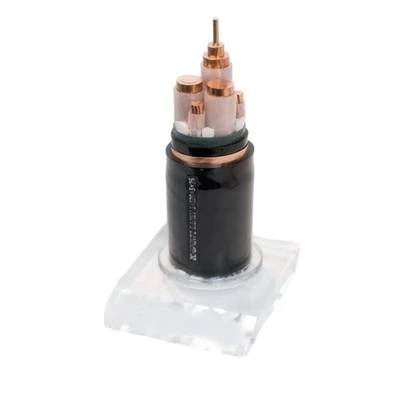
If you are involved in an aerospace project and are in need of high – quality flexible cables, I encourage you to reach out to us. We have the expertise and experience to provide you with the best cable solutions for your specific needs. Whether you require cables for a small experimental satellite or a large commercial aircraft, we can work with you to develop the perfect product.
Instrumentation Cable Our team of engineers is always ready to assist you in the design and selection process. We can provide detailed technical specifications, samples for testing, and support throughout the procurement process. Don’t hesitate to get in touch to start the conversation about how our flexible cables can enhance your aerospace project.
References
- "Handbook of Aerospace Engineering" edited by Wiley, which provides in – depth knowledge about the requirements and technologies in the aerospace field.
- "Flexible Wiring and Cable Technology" by several industry experts, which gives insights into the design and manufacturing of flexible cables.
- Industry research reports on aerospace materials and components, which highlight the latest trends and developments in the use of flexible cables in aerospace applications.
Anhui Huawang Cable Co., Ltd.
As one of the most professional flexible cable manufacturers and suppliers in China, we also support customized service. If you’re going to buy discount flexible cable, welcome to get pricelist from our factory. Quality products and reasonable price are available.
Address: No. 32, East Street, Batian Street, Datong Town, Tianchang City, Anhui Province
E-mail: Linda@huawangcable.com
WebSite: https://www.huawang-cable.com/
