If you’ve ever stood in a sweltering backyard on a 90-degree summer day, watching friends and family retreat to shade while you wondered if there’s a way to keep the party going, you’ve probably stumbled upon high pressure mist generators. These systems don’t just cool air—they turn hot, dry spaces into usable outdoor areas, cut down on dust in industrial yards, and even add a subtle, refreshing layer of comfort for patio diners. As a supplier who’s walked through hundreds of installations with homeowners, business owners, and even small farm operators, one question pops up more often than any other: “Can I install a high pressure mist generator by myself?” High Pressure Mist Generator
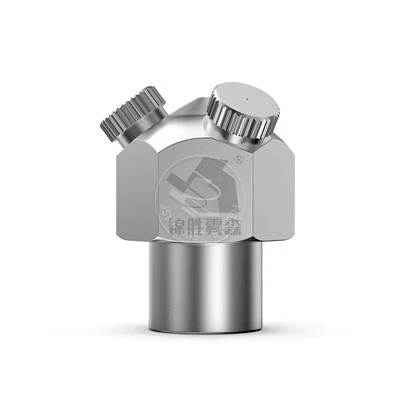
The short answer is yes, but that’s not the whole story. It’s a project that balances basic DIY skills, careful planning, and an understanding of how high pressure mist systems actually work—because cut corners here can turn a cooling solution into a leaky, high-maintenance headache. Let’s break this down, from what I tell every customer who walks into my workshop, to the common mistakes people make, to when it’s worth calling a pro.
First, let’s get clear on what a high pressure mist generator is, because a lot of folks mix them up with the tiny, low-pressure misting bottles you use for plants. Regular garden misters run on 20 to 50 PSI (pounds per square inch) of water pressure, force water through small holes, and make big, slow drops that feel more like a light drizzle than a cool mist. High pressure systems? They run on 700 to 1200 PSI, forcing water through nozzles that are often as small as 0.1 millimeters wide. Those drops evaporate before they even hit the ground, cutting the surrounding air temperature by 10 to 15 degrees Fahrenheit in just a few minutes. That difference is why high pressure systems are so effective for patios, greenhouse cooling, livestock areas, and even industrial equipment cooling.
Now, the DIY feasibility. If you’re someone who’s hung a ceiling fan, laid basic PVC pipe, and followed a step-by-step project plan, this is manageable—especially if you’re tackling a small to medium space, like a 10-foot-by-20-foot patio. But if you’ve never worked with plumbing systems, let alone ones that run at 10 times the pressure of your standard garden hose, this is a project that will test your skills (and your patience).
Let’s walk through what a DIY installation actually entails, because that’s the part most how-to guides gloss over. First, you need to choose the right system for your space. Most entry-level DIY high pressure mist kits come with 50 to 100 feet of tubing, enough nozzles, a high pressure pump (electric, usually), and basic connectors. But here’s the first big decision: do you need a pump that’s self-contained, or will you tap into your home’s existing water pressure? For under-100 PSI home water lines, a booster pump is non-negotiable. Your home’s main water line only runs at 40 to 60 PSI—nowhere near enough for a high pressure mist system to work. That booster pump is what will push water up to 1000 PSI, and if you skip or skimp on that, your mist will be weak, wet, and ineffective.
Next, planning the layout. This is where most first-timers go wrong. Nozzles need to be spaced 12 to 18 inches apart, depending on the nozzle type, and positioned so that the mist covers the entire space you want to cool. If you’re setting up a patio, that might mean running tubing along the top of your patio cover, spaced evenly, with nozzles pointing slightly downward or horizontally (pointing down can lead to water pooling on furniture, which is a big turnoff). You also have to account for slope—tubing can’t have low points, because any standing water in the line will cause blockages, and when the system turns off, that water will drip out of the nozzles, leaving wet spots on your deck or patio. That means running tubing with a slight slope (about 1/4 inch per 10 feet) toward a drain or a line that’s connected to a pressure relief valve, so all excess water can escape when the pump shuts off.
Then comes the plumbing and electrical work. High pressure tubing isn’t the flexible PVC you use for garden hoses—it’s usually nylon or copper, rated for high pressure. Connectors have to be tight, and you can’t use regular Teflon tape; you need a pipe thread sealant that’s rated for high pressure and water, because regular tape will break down under 1000 PSI and cause leaks. For electrical, the pump needs to be plugged into a grounded outlet, and if you’re installing it outdoors, it needs to be weatherproof. If you’re not comfortable running outdoor electrical, that’s another hurdle for DIY—unfinished electrical work can be a safety hazard, so don’t cut corners here.
Now, the common mistakes I see every week from customers who tried to install their own. First, under-sizing the pump. A lot of people buy a cheap 700 PSI pump for their 20-foot patio, only to find that it can’t keep up with the number of nozzles, so the mist is too weak. You need a pump that’s rated for the total flow of your nozzles—each nozzle uses about 0.1 to 0.5 gallons per minute, so 10 nozzles would need a pump that can handle at least 5 GPM. Second, using regular garden hose instead of high pressure tubing. Standard garden hose can only handle 150 PSI, so running 1000 PSI through it is a recipe for burst lines and water damage. Third, not testing for leaks properly. When you turn the pump on for the first time, you have to pressurize the system slowly, checking every connector for drips—even a small leak will waste water, reduce pressure, and can cause the line to vibrate or split over time. Fourth, forgetting the filter. High pressure nozzles are tiny, so even a tiny bit of sediment in your water line will clog them, turning a mist system into a dribble system. A 100-mesh filter is non-negotiable, and it has to be installed right before the pump, so you can clean it easily when it gets clogged.
So when is DIY worth it, and when should you hire a professional? Let’s break that down. DIY is a good fit if: you have a small space (under 200 square feet), you’re comfortable with basic plumbing and electrical work, you can follow a detailed step-by-step guide, and you’re willing to spend time testing and adjusting the layout. I’ve had customers install their own systems for their back patios, and they’ve come back to buy extra nozzles for their garden sheds a year later.
But if any of these are true, hire a pro: your space is larger than 200 square feet (say, a restaurant patio or a warehouse cooling area), you have no experience with high pressure systems or plumbing, you’re worried about electrical safety, or you want a system that’s integrated with your existing irrigation or HVAC. For larger spaces, a professional can calculate the exact pump size, layout, and tubing needed, and ensure the system meets local building codes (many areas require permits for outdoor water systems, especially if they’re connected to a main water line). I’ve had customers who tried to install a large commercial system themselves, only to have a leak damage their foundation, end up paying double for a professional to fix it.
Another thing to consider: maintenance. A high pressure mist system isn’t a set-it-and-forget-it project. DIY systems usually need more frequent cleaning, because first-timers often skip regular filter changes and nozzle cleaning. Nozzles can get clogged with mineral buildup from hard water, so you have to soak them in vinegar every few weeks. Professional-installed systems often come with a maintenance plan, so you don’t have to worry about that.
Wait, but let’s talk about safety, too. High pressure systems can cause injury if misused—at 1000 PSI, a small leak can cut skin, and loose tubing can whip around when pressurized. That’s another reason to be careful if you’re going the DIY route: always wear safety glasses when pressurizing the system, never touch a leak with your bare hands, and make sure all connectors are secure before turning the pump on.
I’ve had a customer last summer tell me he installed his own system for his 30-foot patio, and he was thrilled with how it turned out—he saved $300, and the only mistake he made was forgetting the slope, so he had to drain the lines every night to prevent dripping. Another customer, a restaurant owner, tried to install his own 50-foot system for his outdoor patio, and ended up with three burst lines that flooded his patio and caused water damage to his outdoor furniture. He called my team, and we installed a custom system with a pump sized for his space, and now he’s been recommending us to other local restaurant owners.
So to circle back to the original question: Can you install a high pressure mist generator by yourself? Yes, if you’re prepared to do the research, follow the steps carefully, and plan for the time to test and adjust. But it’s not a quick, 1-hour project like hanging a shelf. It requires understanding how high pressure systems work, investing in the right components (cheap pumps or tubing will only cause problems), and being comfortable with plumbing and electrical work.
If you’re still on the fence, the best first step is to talk to a supplier or a professional before you start. At my workshop, I always ask customers to bring measurements of their space, and we can help them calculate what size system they need, whether DIY is a good fit, or if professional installation is better. For small, residential projects, I even offer a step-by-step installation guide tailored to your space, with tips I’ve picked up over years of working with these systems.
Don’t let the fear of a mistake stop you from enjoying the benefits of a high pressure mist system. A well-installed system can turn a hot outdoor space into a usable area all summer long, whether you’re hosting a barbecue, working in your greenhouse, or keeping your livestock comfortable in the heat. Whether you choose to DIY or hire a pro, make sure you’re investing in a quality system—cheap, off-the-shelf kits often have low-quality nozzles and pumps that won’t deliver the cooling you’re looking for.
If you’re ready to move forward, we’re here to help you choose the right system for your space, answer any questions about installation, and guide you through every step of the process. Whether you’re a first-time DIYer or a business owner needing a commercial system, we can work with you to find a solution that fits your needs and budget. Reach out to our team to get started on turning your hot space into a cool, comfortable one.
Water Mist Sprinkler References
- American Society of Heating, Refrigerating and Air-Conditioning Engineers (ASHRAE). 2021. Agricultural and Industrial Ventilation Standards.
- International Plumbing Code (IPC). 2022. Requirements for High Pressure Water Distribution Systems.
- Environmental Protection Agency (EPA). 2020. Best Management Practices for Outdoor Evaporative Cooling Systems.
- Mist System Manufacturers Association (MSMA). 2021. Guidelines for Installation and Maintenance of High Pressure Mist Generators.
- University of California Agriculture and Natural Resources (UC ANR). 2019. Cooling Strategies for Small Outdoor Spaces in Hot Climates.
Jinsheng Mist Forest-High Pressure Mist System
Address: 109 Yonghong Road, Wenjiang District, Chengdu City, Sichuan Province, China
E-mail: 18190767523@163.com
WebSite: https://www.jswsmist.com/
