If you’ve ever worked with commercial building projects, fire safety audits, or even remodels, you’ve probably stared at specifications for fire rated glass and wondered one specific question: how do I know this stuff is actually going to hold up when a fire hits, and what happens if it doesn’t? As a fire rated glass supplier who’s been in this industry for over a decade, I get this question every single week—from general contractors flipping a downtown office tower to architects specifying glass for a new hospital wing, even facility managers replacing old glazing in a 50-year-old school. The warranty for fire rated glass isn’t just a piece of paperwork you tuck away in a project binder; it’s the line between peace of mind and a costly, potentially dangerous headache. Let’s break this down like I’d break it down for a new client who just walked into my office, no fancy jargon, just the real details you need. Fire Rated Glass
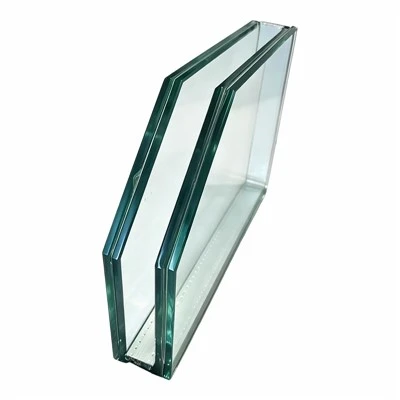
First, let’s ground this in what fire rated glass actually is, because the warranty only makes sense if you know what you’re warranting. This isn’t the regular window glass you buy at a home improvement store. Fire rated glass is tested to strict, third-party standards—usually in the U.S. that’s ASTM E119, the global standard is ISO 834, and sometimes you’ll see regional variations in places like China (GB/T 9978) or the EU (EN 1363-1). These tests don’t just heat the glass a little; they blast it with temperatures that climb to 1,800°F over three hours, simulate flames hitting one side, and even test for radiant heat transfer, structural integrity, and smoke leakage. A glass that passes a 90-minute rating, for example, means it can block flames from passing through for 90 minutes, keep heat from burning through to the other side, and stop smoke from seeping, giving people inside time to evacuate and firefighters time to respond. That baseline is non-negotiable for any valid warranty—if the glass wasn’t tested and certified in the first place, the warranty is basically worthless.
Now, what exactly does a typical fire rated glass warranty cover? Let’s start with the core, which almost every reputable supplier and manufacturer includes: defects in materials and workmanship that cause the glass to fail to meet its rated performance, under normal use and installation. For example, if you order a 60-minute fire rated window, and when it’s installed, two years later during a small test fire (or even an actual kitchen fire that spreads up a hallway), the glass cracks, lets flames through, or exceeds the heat transfer limit, that’s a defect claim. I’ve actually seen this once early in my career—we had a batch of glass that had a tiny, hidden air bubble in the ceramic interlayer (the part that makes multi-ply fire glass work) that showed up during testing but somehow slipped through the quality check. The warranty covered full replacement for the contractor who’d installed it, plus a small credit for their labor because the install was correct, and that’s the kind of coverage I stand by.
But here’s the part that catches a lot of people off guard: the warranty doesn’t cover everything. And that list of exclusions is just as important as what it does cover. Let’s go through the most common ones I see clients try to use, only to find out they’re not covered. First, improper installation. Fire rated glass isn’t like regular glass—you can’t just set it in a standard window frame and caulk it. It needs specific, fire-rated gaskets, metal retainers, and sometimes a gap around the glass that’s filled with a fire-stop material. If a contractor installs it with regular silicone instead of fire-rated caulk, or cuts the glass slightly too small and leaves a gap that wasn’t sealed, that’s on the installer, not the glass or the manufacturer. I had a client a few years back who tried to claim a warranty on a project where the install team used off-the-shelf frame parts instead of the ones we supplied specifically for that glass; the manufacturer denied the claim because the failure was due to installation, not the glass itself. Second, physical damage from external forces. If a ball hits a fire rated window and cracks it, or a construction crew drops a tool and chips the edge, that’s not a defect in the glass. Third, modifications after installation. If someone decides to tint the glass themselves, drill a hole in it for a lock, or sand the surface to match other windows, that voids the warranty every single time. Even something as small as applying a decorative film that isn’t certified for fire rated glass can interfere with performance and kill the warranty. Fourth, extreme environmental conditions that aren’t considered normal. For example, if the building is in a coastal area with heavy salt spray that eats away at the fire-rated gaskets on the frame, leading to the glass shifting and failing, that’s not a factory defect—though we do offer optional extended warranties for coastal applications if you specify that during the order, just ask.
Next, let’s talk about the different types of warranties you’ll encounter, because not all fire rated glass warranties are created equal. The first and most basic is the manufacturer’s defect warranty, which is usually offered by the company that makes the glass (like our parent factory, which has been making fire rated glass for 30 years). This warranty is typically 5 to 10 years long for commercial projects, 2 years for residential (though residential fire rated glass is less common, it’s used for things like adjacent garages or interior separation walls). The second type is the supplier-backed warranty, which is what I offer my clients. Some companies just sell glass and don’t stand behind it beyond what the manufacturer offers, but I go a step further: if there’s a defect, I help coordinate the removal, replacement, and even work with the general contractor to make sure the new glass is installed correctly, so my clients don’t have to deal with multiple parties during a stressful claim. The third type is extended warranties, which you can add on for an extra cost—these cover things like gasket degradation, frame-related issues, or even accidental damage up to a certain amount, for 15 to 20 years. I always recommend extended warranties for large projects, like hospital wings or multi-story office buildings, because those have a lot of people relying on that glass to work correctly.
A question I get all the time is: how do I validate a fire rated glass warranty before I buy it? Because you don’t want to wait until a fire to find out your warranty is a scam. Here’s what I tell every client: first, check the certification. The glass should have a permanent mark, usually a tiny etched code, that says it’s tested to ASTM E119 or ISO 834, with a rating time (20, 45, 60, 90, 120 minutes). The warranty should list the same rating time on the glass and the paperwork. Second, ask for a copy of the manufacturer’s quality control records. Any reputable maker will have documentation that shows each batch was tested for defects. Third, make sure the warranty is transferable if needed. If you’re a general contractor installing glass in a building that will be sold to a property management company, you don’t want the warranty to be void if you sell the project—ours is fully transferable, which is a big plus for clients flipping commercial properties. Fourth, read the fine print. Don’t just take the sales rep’s word that everything is covered; ask them to highlight the exclusions in writing before you sign the order. I always go through the warranty line by line with new clients, because I’d rather answer 10 questions upfront than get a call at 2 a.m. on a Saturday during a fire scare.
Let’s also address a common misconception I hear all the time: fire rated glass warranties cover performance in an actual fire. That’s a myth, and it’s one that can be dangerous. No manufacturer will warrant that the glass will survive a real fire event, because fires are unpredictable—they can reach higher temperatures than tested, spread faster, or have other variables that change performance. What the warranty does cover is that the glass meets the tested performance specs under controlled conditions, and that if a defect causes it to fail to meet those specs during a fire, you’ll be compensated. The testing is the gold standard, and the warranty is a promise that the glass was made to meet that standard, not a guarantee that it will survive every possible fire. That’s an important distinction, and I’m upfront about that with every client—no one can promise a 100% failure rate in a real fire, but we can promise our glass is built to the exact standards it’s rated for, and if a defect slips through, we’ll make it right.
Now, let’s talk about common claim scenarios I’ve dealt with over the years, to make this real. Last year, a general contractor in Chicago called me at 9 a.m. on a Monday, panicking because a new office building they’d just finished had a small electrical fire in a utility closet. The fire spread to a corridor with 60-minute fire rated glass windows, and two of the windows cracked before the 60 minutes were up. We sent a fire inspector out that same day, and we found out the installer had used non-fire-rated silicone around the frame, which had melted during the fire, allowing hot air to seep around the glass. The manufacturer denied the claim, but because our warranty covers supplier coordination, we worked with the GC to get the faulty frame parts removed and replaced with the correct fire-rated ones, and the glass was covered by the installer’s warranty—so the GC only paid for a few extra hours of labor, not the full cost of the glass. Another scenario: a school in Detroit had a batch of 30-minute fire rated glass interior doors, and three doors started fogging up after three years. We tested the glass, and found that the seal on the interlayer had failed, letting moisture in. That was a manufacturing defect, so we replaced all three doors under warranty, no cost to the school. Those are the kinds of claims I’m happy to handle, because they’re from defects, not mistakes.
If you’re working on a project right now—whether it’s a new build, a renovation, or a facility upgrade—you need to make sure you’re choosing a fire rated glass supplier that stands behind their warranty. Don’t just go for the cheapest quote; ask about their warranty terms, what’s covered, what’s excluded, and how they handle claims. I’ve seen clients save a few thousand dollars on glass only to end up paying $50,000 when a warranty claim was denied because the supplier didn’t support their product.
If you’re ready to talk through your fire rated glass project, whether you need a quote, questions about warranty terms, or help verifying compliance, reach out to discuss your needs. We work with architects, general contractors, and facility managers on projects of all sizes, and we’ll walk you through every detail to make sure you have the right glass and the right warranty to keep your building safe.
Curved Tempered Glass References
ASTM International. (2020). Standard Test Methods for Fire Tests of Building Construction and Materials (ASTM E119).
International Organization for Standardization. (2018). Fire resistance tests – Elements of building construction (ISO 834).
National Fire Protection Association. (2021). NFPA 80: Standard for Fire Doors and Other Opening Protectives.
Glass Association of North America. (2022). Fire Rated Glass: A Guide for Specification and Installation.
Suzhou Dingcheng Tempered Glass Co., Ltd.
As one of the most professional fire rated glass manufacturers and suppliers in China, we also support customized service. We warmly welcome you to wholesale high quality fire rated glass made in China here from our factory. If you have any enquiry about free sample, please feel free to email us.
Address: No.777 Limin North Road, Lili Town, Wujiang District, Suzhou City, Jiangsu Province
E-mail: Dingchengglass@163.com
WebSite: https://www.dingchengglass.com/
