Hey there! If you’re staring at your propane tank level gauge like it’s speaking a foreign language—blank display, random numbers, or readings that make zero sense—you’re not alone. And let me guess, you’re probably questioning why that little device’s supposed to track your fuel is acting up, especially when you’re relying on it to avoid running out mid-cookout or heating bill season. As someone who’s been in the tank level gauge game for years (I’m the go-to for folks fixing or replacing these things, no fancy corporate title here), I’ve seen every weird issue under the sun, and most of them are way easier to fix than you’d think. Let’s break down why your gauge’s being a jerk, no confusing jargon, and end with how to make sure you get a working one if you need a replacement. Tank Level Gauge

First off, let’s get the basics out of the way—sometimes the problem isn’t the gauge itself, just a tiny thing you overlooked. I’ve had a customer last month swear his gauge was dead, turns out his kid knocked the wire loose when he was moving the grill. Propane tank gauges (the ones for above-ground tanks, at least) usually run on a simple low-voltage setup—either 12V car battery, even smaller batteries for some portable ones, or hardwired to the home’s power. If the power source’s toast? Dead gauge. Check that first: wiggle the wire connections at the tank (they’re usually near the top, where the valve is) to make sure they’re not corroded or pulled out. Corrosion’s super common, especially if you live somewhere humid or salt air (coastal folks, I see you). Even a little rust on the terminals can kill the signal. Another quick win: if it’s a battery-powered gauge, swap the battery. I know, I know, you did that last year—but old batteries can leak, or the model you grabbed was dud. I’ve had more than a few people skip this step because “it’s brand new,” so don’t sleep on it.
If the power’s good, next up: the gauge’s sensor is probably the culprit, not the display. The sensor is the little thing that sits inside the tank (or on the bottom side, for external ones) that measures how much propane’s in there. For above-ground tanks, most sensors are magnetic—they attach to the inside of the tank wall, where propane sticks to the magnet differently based on fill level. Wait, propane? More accurately, liquid propane, which is way denser than gas. So if the sensor’s dirty? It can’t tell the difference between liquid and gas, hence a wonky reading. If you’ve got a dusty, dusty tank (folks with lots of trees around, your tank’s probably covered in pine needles and dirt), a quick wipe-down of the sensor area with a soft cloth and some mild soap might fix it. I had a farmer call me last winter saying his gauge said he had 10% left but he filled it 2 weeks prior—turns out his sensor was caked in dust and manure (yep, farm life) so it was reading wrong.
Another sensor issue: loose mounting. If the sensor isn’t pressed firmly against the tank wall, it can’t get a solid reading. Sometimes when you move a tank (like if you’re re-routing your backyard patio), the sensor shifts a tiny bit, enough to throw off the calibration. Calibration’s a big one here—most tank level gauges need to be calibrated when you install them, and if that calibration gets messed up, the numbers are garbage. How does that happen? Over time, temperature changes. Propane expands when it’s hot, contracts when it’s cold—so if your gauge was calibrated on a 70°F day, and now it’s 10°F, the reading’s gonna be off. I always tell folks: if you live somewhere with extreme temps, check your gauge twice a year, not just when you refuel. For underground tanks, it’s a bit different—their sensors are usually ultrasonic, meaning they send sound waves to measure the distance to the fuel. If there’s dirt or water buildup at the bottom of the underground tank, that messes with the sound waves, so the sensor can’t get an accurate reading. A quick pump-out of the tank every few years will fix that, usually.
Wait, what if the display is totally blank, not just wrong numbers? That’s usually two things: either a broken display, or a wiring issue between the display and the sensor. The wiring is super easy to fray if you run it along a concrete wall or over sharp edges. I once had a customer who stapled the wire to his shed wall, and after a year, the staple went through the insulation, shorted the circuit, and the display died. Check the wiring for any cuts, crimps, or exposed copper—if you see that, tape it up with electrical tape, and if it’s bad enough, you might have to replace the wiring, but that’s way cheaper than a new gauge. Broken displays are less common, but they happen—especially if you leave a gauge outside in the rain (even if it’s supposed to be weatherproof). Water can seep into the display casing and fry the circuit. I’ve seen a lot of cheap no-name gauges that claim “waterproof” but really only hold up for a few months, so if yours is a random brand you bought at a big box store, that might be the issue.
Now, let’s talk about what NOT to do. Don’t try to take the gauge apart yourself—they’re precision devices, and opening them up will void any warranty (if you even have one). I’ve had people try to fix a sensor by sticking a screwdriver in there, and they bend the component so bad it’s beyond repair. Also, don’t ignore a wonky gauge for too long. I had a guy run out of propane last summer because his gauge said 25% left, and it was actually 0—his AC went out, and he had to pay $500 for an emergency fill at midnight. Not fun. If you’re checking your gauge every month and it’s fluctuating for no reason, don’t wait until it’s empty.
So, when do you need a new gauge? If you’ve tried all the quick fixes—check power, clean the sensor, re-calibrate—and it’s still acting up. Or if your gauge is more than 5 years old. That’s right, most tank level gauges have a 5-7 year lifespan, just like a car battery. They don’t last forever, and after that, the components start to wear out, even if you take good care of them. If you’re in that market for a new one, make sure you get one that’s compatible with your tank. Not all gauges fit all tanks—above-ground vs underground, 100lb vs 500lb, all that stuff matters.
Here’s the thing: I don’t sell cheap junk. The gauges we work with are durable, weather-resistant, easy to install (most folks can do it in 15 minutes, no electrician needed), and they come with a 2-year warranty. Unlike those big box store ones that die after a year, our gauges are built to handle salt air, extreme temperatures, and the occasional knock. If you’re tired of your gauge lying to you, or you just want to stop stressing about running out of propane, reach out and let’s chat. We can help you pick the right gauge for your tank, answer any questions you have, and even walk you through installation if you need it. No pressure, no weird sales tactics—just real folks helping you keep your fuel readings accurate.
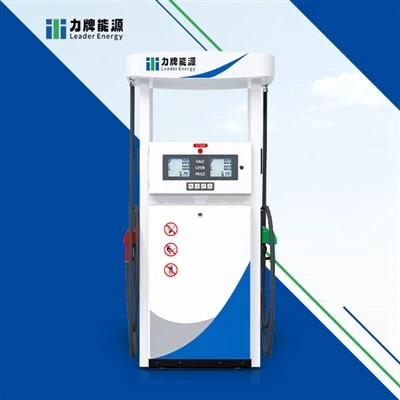
At the end of the day, your propane tank gauge’s job is simple: tell you how much fuel you have. When it’s not working, it’s just a nuisance that can turn into a big headache. Most issues are tiny, easy fixes, and if it’s time for a replacement, you don’t have to settle for a flimsy, unreliable one. Hit us up, and let’s get your gauge back on track.
Tank Level Gauge References
Propane Tank Gauge Troubleshooting Guide, National Propane Gas Association
Ultrasonic Level Sensors for Underground Fuel Tanks, Energy.gov
Temperature Effects on Propane Vapor Pressure, American Gas Association
Leader Energy Technology (Zhengzhou) Co., Ltd.
As one of the most professional tank level gauge manufacturers and suppliers in China, we’re featured by quality products and good price. We warmly welcome you to buy durable tank level gauge for sale here from our factory. If you have any enquiry about customized service and OEM service, please feel free to email us.
Address: No.65, Dongqing Street, Zhengzhou Hi-tech Zone, Henan, China
E-mail: info@leaderdispenser.com
WebSite: https://www.leader-petrol.com/
