Hey everyone, and welcome back to the blog—today we’re tackling one of the most common questions I get DMs and calls about: Can stainless steel actually be welded? And as a stainless steel supplier who’s been in this game for over a decade, I’m here to tell you it’s not a yes or no answer… it’s a “yes, but here’s what you need to know” kind of situation. Let’s cut through the hype because I see so many folks online overcomplicating this, and honestly, I get it—when you’re working with a metal that’s supposed to be corrosion-resistant, the last thing you want is a weld that ruins the whole batch. Stainless Steel
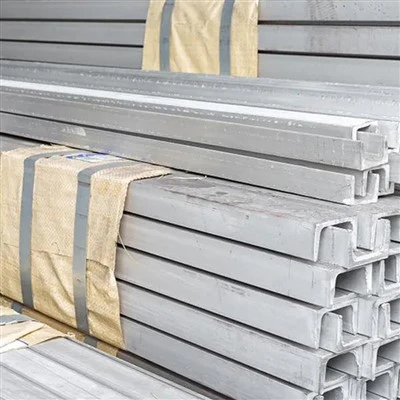
First off, let’s get one thing straight: stainless steel is not some un-weldable space metal. It’s just a type of steel with at least 10.5% chromium, right? That chromium is what forms that super thin, protective oxide layer on the surface—you know, the stuff that keeps it from rusting like regular carbon steel. But when you heat it up for welding, that layer can act a little wonky if you don’t handle it right, and that’s where most of the confusion comes in. I’ve had so many fabricators come to me saying they botched a weld on their first stainless steel project and think the metal’s garbage—9 times out of 10, it’s not the steel, it was their method.
Now, let’s break down the main types of stainless steel because that’s a huge part of the equation. Not all stainless is created equal, and each type welds differently. The big three are austenitic, ferritic, and martensitic—those are the ones you’ll run into 90% of the time in industrial and commercial projects, from food equipment to architectural trim.
Austenitic stainless, like 304 and 316, is the workhorse of the industry. 304’s for general stuff—sinks, shelves, food processing gear—316’s the marine-grade one with molybdenum to beat saltwater corrosion. This is the easiest type to weld, honestly. I’ve sent out thousands of feet of 304 sheet and plate over the years, and it’s super forgiving for MIG, TIG, even stick welding if you know what you’re doing. The key here is to control the heat input, though. Too much heat and you might get something called “weld decay”—that’s when the chromium at the weld area combines with carbon instead of oxygen, so it can’t form that protective layer anymore. Net result: your weld rusts way faster than it should. I always tell guys using 304 or 316 not to crank up the weld settings too high, and to use an argon shield gas for TIG or MIG to keep the hot metal from reacting with oxygen, nitrogen, or hydrogen in the air. Those gases cause porosity, which is another no-no for corrosion resistance.
Next up is ferritic stainless—think 430, which you see in things like appliance trim, exhaust parts, or decorative metal. This one’s a little trickier to weld than austenitic, mostly because it’s prone to something called “grain growth” when you heat it. Grain growth makes the welded area way less ductile—meaning it can crack if there’s any stress later on. I always warn fabricators not to use too much heat here either, and some even pre-heat thinner gauge 430 to keep the temperature consistent. Stick welding is actually pretty common for ferritic because it gives you good control over the arc, but TIG works too if you’re careful. Just don’t mix up ferritic and austenitic rods here—using the wrong filler metal will mess up the corrosion resistance, which is the whole point of going stainless in the first place.
Then there’s martensitic stainless, like 410 or 420, which is harder and stronger, used for things like tooling, knife blades, or some structural parts. This is the one I get the most questions about because it’s the closest to being tricky to weld. Martensitic is super hard, but when you heat it up for welding, it becomes brittle. So you have to pre-heat it (usually 300-500 degrees F) before welding and then post-heat it right after to slow down cooling and prevent that cracking. I’ve had a few customers skip the pre-heat step and end up with a pile of cracked parts—total waste, and I always tell them it’s not the steel’s fault, it’s skipping that critical heating step. This one’s not for total beginners, but it’s definitely weldable if you follow the right steps.
Now, let’s talk about some common mistakes I see people make all the time. First, using the wrong filler metal. This is huge. If you’re welding 316, you can’t use a 308 filler rod—308’s for 304, 316L (the low-carbon version of 316) needs 316L filler so you don’t get that weld decay I mentioned earlier. L-grade steels are lower in carbon, so they’re more resistant to that chromium carbide formation, which is why they’re easier to weld for some applications. Another mistake? Not cleaning the surface before welding. That thin oxide layer on stainless is great, but if there’s oil, grease, paint, or even just dirt on the surface when you weld, that can cause contamination in the weld. I always tell my customers to wipe down the area with isopropyl alcohol or a stainless-specific cleaner right before welding—takes 2 minutes, saves you from a bad weld.
Wait, and what about that new stainless steel on the block—duplex? Oh right, duplex is a mix of austenitic and ferritic, like 2205, which is used for heavy-duty stuff like chemical processing, pipelines, or offshore equipment. This one’s got great strength and corrosion resistance, but it’s a little more finicky to weld because you have to keep the right balance of austenite and ferrite in the weld. Too much ferrite and it can crack, too much austenite and it’s less strong. That’s why I usually refer customers working with duplex to professional fabricators who know their stuff—you can mess it up if you don’t have the right setup, but it’s definitely weldable.
Let me also address a common myth I see online: “If you warp stainless steel, that means it’s not weldable.” No way—warping is a heat issue, not a metal issue. Stainless has a higher coefficient of thermal expansion than carbon steel, so it expands more when heated and contracts more when it cools. That’s why you need to use proper clamping and maybe even backstep welding (welding small sections and moving backward) to keep the warping down. I had a customer last year who tried welding a big stainless steel tank with no clamps and ended up with a ¼-inch warp—we worked with him to adjust his settings and use better clamping, and he nailed the second tank. It was totally fixable, and the steel was fine.
As a stainless steel supplier, I work with so many different people—from small custom fabricators to big construction companies, even hobbyists working on home projects. The #1 question after “can it be welded?” is “what do I need to get it right?” So here’s my quick go-to advice for anyone looking to weld stainless: first, pick the right grade for your project. If you’re doing marine work, go 316, not 304. If you need something cheap for decorative trim, 430 works. Then, use the correct filler metal—don’t guess, check the spec. Clean the surface before every weld. Control your heat input—don’t crank the amperage or voltage unless you have a good reason. For trickier grades like 430 or 2205, follow the pre and post-heat steps, or hire someone who knows what they’re doing.
I also want to mention that modern welding tech has made this even easier. There are new MIG and TIG machines with pulse settings that let you get the heat you need without overheating the metal, reducing warping and weld decay. A lot of my customers have upgraded their gear and seen a huge drop in weld issues. It’s not about the metal being un-weldable—it’s about using the right tools and methods.
Wait, let’s test this with a real example I had last month. A local food equipment company came to me with a rush order for 50 feet of 304 stainless steel shelf brackets. They’d tried welding them in-house before but kept getting rust spots on the welds after a week. Turns out, they were using a carbon steel filler rod—total rookie move. I sold them the right 308L filler, gave them a quick tip to use argon shield gas for TIG welding, and they got perfect welds on the whole batch. They came back a week later to order another 200 feet, said no more rust issues. That’s exactly what I’m talking about—stainless works, you just have to do it right.
Another thing I get asked: can you weld stainless to other metals? Like stainless to carbon steel? That’s trickier, because their expansion rates are different, and the metals can form brittle compounds at the weld. It’s doable, but you have to use a transition layer or a specific filler metal that balances both. I usually refer people to fabricators who specialize in dissimilar metal welds for that kind of project—don’t try it on your own unless you know what you’re doing.
So to circle back to the original question: Can stainless steel be welded? 100% yes. It’s one of the most commonly welded metals out there, used in everything from kitchen appliances to skyscraper facades to medical equipment. The confusion comes from not understanding the different grades and the specific steps needed to protect that chromium oxide layer that makes stainless, well, stainless.
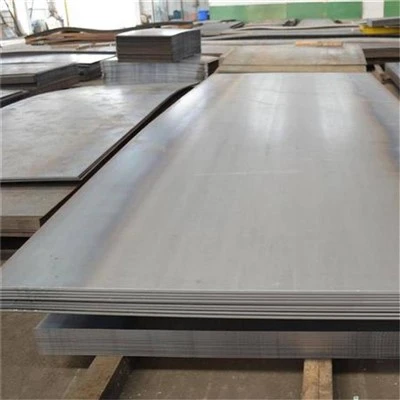
Now, if you’re gearing up for a project and not sure what grade of stainless is right for you, or you need advice on welding setup, I’m here to help. As a supplier, I don’t just sell metal—I work with fabricators, builders, and hobbyists all the time to figure out the best solutions for their projects. Whether you need sheet, plate, rod, or any stainless product, hit me up to chat through your needs. No sales pitch, just honest advice from someone who’s been in this game for years and knows what works (and what doesn’t).
Aluminum Coil References:
- American Welding Society. (2019). Welding Stainless Steel: A Guide for Fabricators. AWS Publishing.
- ASM International. (2021). Properties and Selection: Stainless Steels, Tool Materials and Special-Purpose Metals. ASM Handbook, Vol. 9.
- Materials Science and Engineering: An Introduction. (2022). Stainless Steel Welding Behavior. Elsevier.
- International Organization for Standardization. (2020). ISO 15609: Welding of Stainless Steels – Procedure Specifications. ISO.
Wuxi Jin Ming Jian De Industry & Trade Co., Ltd.
Wuxi Jin Ming Jian De Industry & Trade Co., Ltd. is one of the most professional stainless steel manufacturers and suppliers in China, also supports customized service. With abundant experience, we warmly welcome you to wholesale CE approved stainless steel in stock here from our factory. If you have any enquiry about quotation, please feel free to email us.
Address: 2102-2105, Yuexing Building, Guangnan Road, Liangxi District, Wuxi City, Jiangsu Province, China.
E-mail: info@wxjmjdss.com
WebSite: https://www.jmjdsteelexp.com/
