As a supplier of plastic extruders, I’ve spent a significant amount of time thinking about the environmental impacts of these machines. Plastic extruders play a crucial role in the plastic manufacturing industry, but they also come with a set of environmental challenges that need to be addressed. Plastic Extruder

Energy Consumption
One of the most prominent environmental impacts of plastic extruders is their energy consumption. Plastic extrusion is an energy – intensive process. These machines need to heat the plastic polymers to a molten state so that they can be shaped into various forms such as pipes, sheets, or profiles.
The heating elements in plastic extruders often run on electricity or natural gas. High – powered heaters are required to reach and maintain the appropriate temperatures for different types of plastics. For example, polycarbonate, a commonly used plastic, has a melting point between 220 – 260°C. To keep the extruder barrel at this temperature continuously during the production process, a substantial amount of energy is consumed.
This high energy demand has several environmental implications. Firstly, it contributes to increased greenhouse gas emissions, especially if the energy source is fossil – fuel based. In many parts of the world, electricity is still predominantly generated from coal – fired power plants. The more energy plastic extruders consume, the more carbon dioxide and other pollutants are released into the atmosphere, exacerbating climate change.
Secondly, the high energy requirements also lead to a greater strain on the energy grid. During peak production times, large – scale plastic extrusion facilities can draw significant amounts of power, potentially causing power shortages in local areas and increasing the need for additional power generation infrastructure.
Plastic Waste Generation
Plastic extruders are directly involved in the production of plastic products, and the issue of plastic waste is one of the most pressing environmental problems today. While the extruders themselves do not create waste in the traditional sense, the products they manufacture often end up as waste after their useful life.
Plastic is a durable material, which means it can take hundreds of years to decompose in the environment. When plastic products are discarded, they can accumulate in landfills, oceans, and other natural habitats. This not only affects the aesthetic value of these areas but also has serious consequences for wildlife.
Many marine animals mistake plastic debris for food. For example, sea turtles often consume plastic bags, thinking they are jellyfish. Once ingested, the plastic can cause blockages in their digestive systems, leading to malnutrition and death. In addition, microplastics, which are tiny plastic particles less than 5mm in size, have been found in the bodies of various marine organisms. These microplastics can enter the food chain, potentially affecting human health as well.
Moreover, during the plastic extrusion process, there is also some waste generated in the form of scrap plastic. This can be due to production errors, such as improper shaping or quality control issues. While some of this scrap plastic can be recycled, not all of it is. In some cases, the cost and complexity of recycling certain types of plastic scrap may make it more economical to dispose of it in landfills or incinerators.
Chemical Emissions
Another environmental concern related to plastic extruders is the emission of chemicals during the extrusion process. Some plastics contain additives, such as plasticizers, stabilizers, and flame retardants, which are added to enhance the properties of the plastic. When these plastics are heated in the extruder, these additives can be released into the air in the form of volatile organic compounds (VOCs).
VOCs are harmful to both human health and the environment. They can cause various health problems, including respiratory issues, headaches, and irritation of the eyes, nose, and throat. In the environment, VOCs can react with other pollutants in the atmosphere to form ground – level ozone, a major component of smog. Ground – level ozone is not only harmful to human health but also damages plants, reducing crop yields and harming natural ecosystems.
In addition, some plastics are made from monomers that are toxic or potentially carcinogenic. For example, polyvinyl chloride (PVC) is made from vinyl chloride monomer, which is a known human carcinogen. During the extrusion of PVC, there is a risk of vinyl chloride emissions, especially if the process is not properly controlled. These emissions pose a significant health risk to workers in the plastic extrusion industry and can also contaminate the surrounding environment.
Recyclability and Lifecycle Considerations
Despite the environmental challenges, plastic extruders also have a role to play in the solution. As a supplier, we are increasingly focused on promoting the recyclability of plastic products and the reduction of environmental impacts throughout the product lifecycle.
Advances in plastic extrusion technology have made it possible to process recycled plastics more efficiently. Many modern plastic extruders can handle a wide range of recycled materials, including post – consumer and post – industrial plastics. By using recycled plastics as raw materials, the demand for virgin plastic resin can be reduced, which in turn conserves natural resources and reduces the energy required for plastic production.
However, there are still limitations to plastic recycling. Different types of plastics have different chemical compositions and melting points, which makes it difficult to recycle all plastics together. In addition, the quality of recycled plastics is often lower than that of virgin plastics, which may limit their applications.
To address these issues, we are working closely with our customers to develop innovative solutions. For example, we are researching and developing new extrusion processes that can improve the quality of recycled plastics. We are also promoting the use of biodegradable and compostable plastics, which can break down more easily in the environment compared to traditional plastics.
Conclusion and Call to Action
In conclusion, plastic extruders have both positive and negative environmental impacts. While they are essential for the production of a wide range of plastic products, they also contribute to energy consumption, plastic waste generation, and chemical emissions.
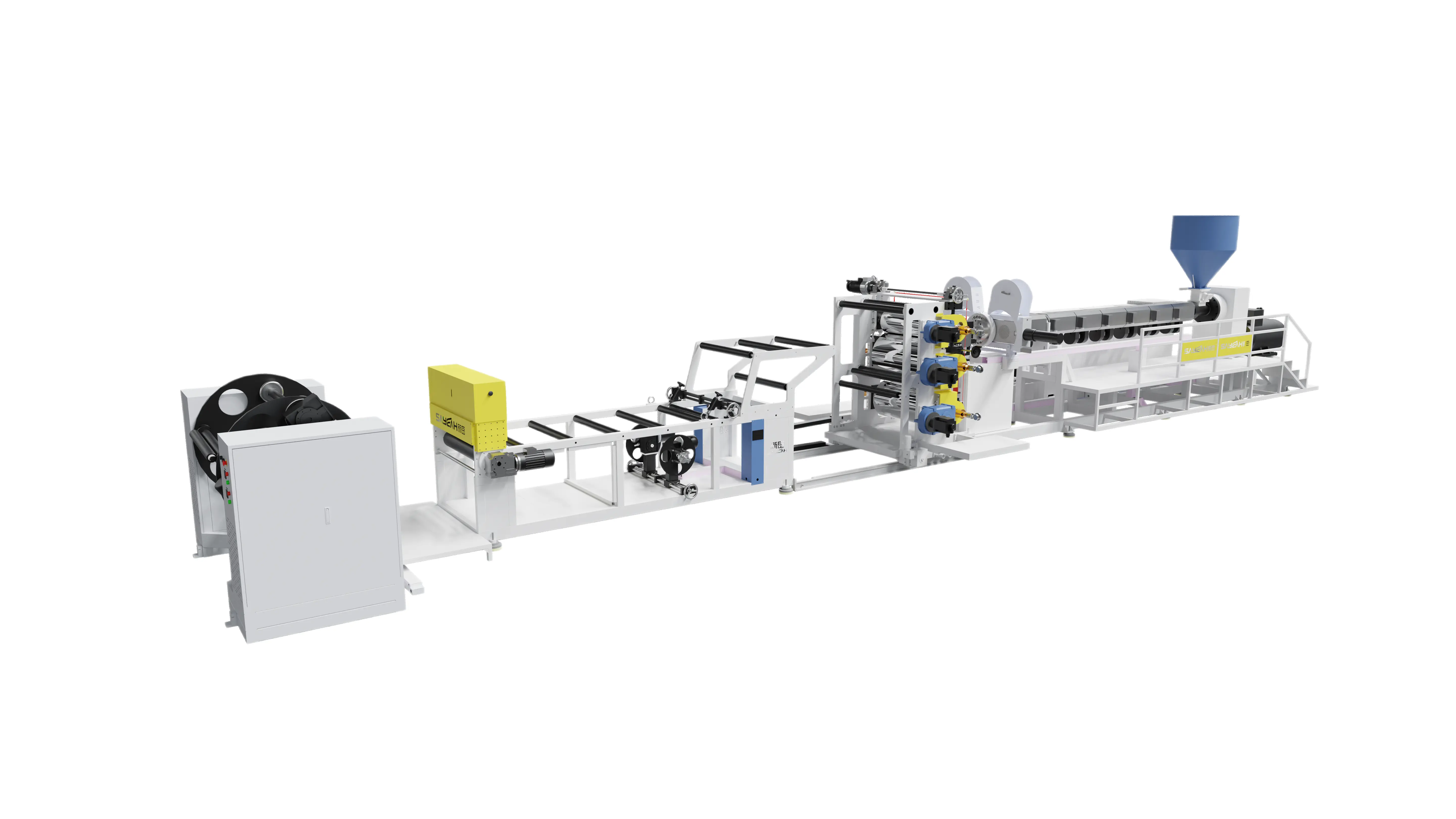
As a responsible supplier of plastic extruders, we are committed to minimizing the environmental impacts of our products. We are constantly investing in research and development to improve the energy efficiency of our extruders, promote plastic recycling, and reduce chemical emissions.
Four Station Thermoforming Machine We believe that by working together with our customers, policymakers, and environmental organizations, we can find sustainable solutions to the environmental challenges associated with plastic extrusion. If you are interested in learning more about our environmentally – friendly plastic extruders or would like to discuss potential procurement opportunities, please feel free to reach out. We are eager to have in – depth discussions with you and find the best plastic extrusion solutions that meet your needs while also being environmentally responsible.
References
- "Plastics and the Environment: Recycling", American Chemistry Council.
- "The Impact of Plastic Pollution on Marine Life", United Nations Environment Programme.
- "Volatile Organic Compounds (VOCs) Emissions from Plastic Extrusion Processes", Journal of Environmental Science and Technology.
Zhejiang Sayeah Machinery Co., Ltd.
Zhejiang Sayeah Machinery Co., Ltd. is one of the most reliable manufacturers and suppliers of plastic extruder in China, also supports high quality customized service. Please feel free to buy CE approved plastic extruder from our factory. For price consultation, contact us.
Address: Wanquan District Industrial Zone,West Of China National Highway 104, Sunlou Village, Wanquan Town, Pingyang County, Zhejiang Province. China
E-mail: sales@sayeahmachinery.com
WebSite: https://www.sayeahthermoforming.com/
