What is the influence of the blast wheel on the surface chemical composition?
As a trusted supplier of blast wheels, I have witnessed firsthand the transformative power these remarkable devices hold in the realm of surface treatment. The blast wheel, a cornerstone of modern shot blasting technology, plays a pivotal role in shaping not only the physical characteristics of surfaces but also their chemical composition. In this blog, I aim to delve into the intricate relationship between the blast wheel and surface chemical composition, exploring the various factors at play and the implications they have for a wide range of industries. Blast Wheel
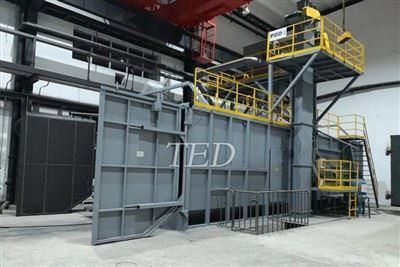
Understanding the Blast Wheel
Before we can explore the impact of the blast wheel on surface chemical composition, it is essential to have a clear understanding of how this dynamic machine operates. At its core, a blast wheel is a high – speed rotating device that propels abrasive media at a surface. The kinetic energy of the abrasive particles is utilized to clean, profile, and strengthen the surface.
The key components of a blast wheel include a motor, an impeller, a control cage, and blades. The motor provides the necessary power to rotate the impeller, which sucks in the abrasive media. The control cage directs the media onto the blades, which then accelerate and eject the media towards the surface. The speed, direction, and intensity of the abrasive stream can be precisely controlled, allowing for a customized surface treatment process.
Oxidation and Reduction Reactions
One of the most significant ways in which the blast wheel influences the surface chemical composition is through oxidation and reduction reactions. When the abrasive particles impact the surface, they can remove any existing oxide layers. This is particularly important in industries such as metal fabrication, where the presence of oxides can interfere with subsequent manufacturing processes like welding or painting.
On the other hand, the high – energy impact of the abrasive particles can also cause the metal surface to be exposed to oxygen in the air, leading to a new oxidation process. The extent of oxidation depends on several factors, including the type of metal, the composition of the abrasive media, and the environmental conditions. For example, metals like iron are more prone to oxidation compared to stainless steel. In environments with high humidity, oxidation can occur more rapidly.
Reduction reactions can also take place during the shot – blasting process. Some abrasive media may contain elements that can react with the surface metal to reduce certain compounds. For instance, in some cases, carbon – based abrasives can react with metal oxides to form carbon monoxide and the reduced metal, altering the chemical composition of the surface.
Alloying and Elemental Transfer
Another important aspect of the blast wheel’s influence on surface chemical composition is alloying and elemental transfer. The abrasive media used in the blast wheel can be made from a variety of materials, such as steel shot, aluminum oxide, or silicon carbide. When these abrasive particles impact the surface, they can transfer some of their elements to the surface, leading to alloying.
For example, if steel shot is used as the abrasive media, iron and other alloying elements present in the steel can be transferred to the surface of the workpiece. This can change the surface hardness, corrosion resistance, and other properties of the material. In some cases, this alloying effect can be beneficial, such as when it enhances the wear resistance of the surface. However, in other situations, it may need to be carefully controlled to avoid unwanted changes in the material’s properties.
Contamination and Surface Purity
The blast wheel can also have an impact on the surface purity of the workpiece. During the shot – blasting process, the abrasive media can pick up contaminants from the environment, such as dust, dirt, or other foreign particles. When these contaminated abrasives impact the surface, they can deposit these contaminants on the surface, altering its chemical composition.
Moreover, if the abrasive media is not properly maintained or recycled, it can break down into smaller particles over time. These fine particles can become embedded in the surface of the workpiece, causing contamination. To prevent this, it is crucial to use high – quality abrasive media and implement effective media recycling and cleaning systems.
Impact on Corrosion Resistance
The changes in surface chemical composition induced by the blast wheel can significantly affect the corrosion resistance of the material. As mentioned earlier, removing the oxide layer can expose the bare metal to the environment, increasing the risk of corrosion in some cases. However, the alloying effect and the surface profiling created by the blast wheel can also enhance corrosion resistance.
For example, if the surface is alloyed with elements that are known to form a protective oxide layer, such as chromium in stainless steel, the corrosion resistance can be improved. Additionally, the roughened surface created by the blast wheel can sometimes help in the better adhesion of protective coatings, which further enhances the corrosion resistance of the material.
Applications in Different Industries
The influence of the blast wheel on surface chemical composition has far – reaching implications in various industries. In the automotive industry, shot – blasting is used to prepare the surface of engine components, chassis parts, and body panels. By precisely controlling the surface chemical composition, manufacturers can improve the performance, durability, and corrosion resistance of these parts.
In the aerospace industry, where materials are subjected to extreme conditions, the blast wheel is used to treat critical components such as turbine blades and landing gear. The ability to modify the surface chemical composition can enhance the fatigue resistance and oxidation resistance of these components, ensuring their safe and reliable operation.
In the construction industry, shot – blasting is used to clean and prepare concrete and steel surfaces. By altering the surface chemical composition, it is possible to improve the adhesion of coatings, sealants, and other construction materials, leading to more durable and long – lasting structures.
Conclusion
In conclusion, the blast wheel is a powerful tool that can have a profound impact on the surface chemical composition of materials. Through oxidation and reduction reactions, alloying and elemental transfer, and potential contamination, it can change the properties of the surface in both beneficial and potentially detrimental ways. Understanding these effects is crucial for industries that rely on shot – blasting for surface treatment.

As a blast wheel supplier, I am committed to providing high – quality products that offer precise control over the shot – blasting process. By working closely with our customers, we can help them optimize the use of blast wheels to achieve the desired surface chemical composition for their specific applications.
Shot Blasting Machine If you are looking for a reliable blast wheel supplier to enhance the surface treatment of your products, I encourage you to reach out to us. We are ready to engage in in – depth discussions about your requirements and provide you with customized solutions. Let’s work together to unlock the full potential of shot – blasting technology and improve the quality and performance of your materials.
References
- Ding, H., & Li, X. (2019). Surface modification of metals by shot peening: A review. Surface Engineering, 35(11), 1017 – 1026.
- Totten, G. E., & MacKenzie, D. S. (Eds.). (2003). Handbook of shot peening. ASM International.
- Sahoo, S., & Mahapatra, S. S. (2016). Influence of shot peening on surface integrity and fatigue life of metals: A review. Journal of Manufacturing Processes, 22, 1 – 16.
Qingdao Taide Machinery Co., Ltd.
As one of the leading blast wheel manufacturers and suppliers in China, we offer a wide range of products with superior quality. Please feel free to buy advanced blast wheel for sale here from our factory. Good service and punctual delivery are available.
Address: No.383, Zhaizi Mountain, Huangdao District, Qingdao Shandong China.
E-mail: krystal@qdtedmachine.com
WebSite: https://www.qdtedgroup.com/
