Hey guys, I know how hard it is to pick the right mast lift for outdoor jobs—last month alone I had three contractors call me panicking ‘cause their old lift died mid-job on a rooftop or got stuck in a muddy construction lot. As a mast lift supplier who’s been deep in this game for over a decade, I’ve seen way too many people grab the first unit they see online without checking the fine print… and that’s how you end up with a machine that’s great for a warehouse but useless when the sun’s beating down or the ground’s a mess. Let’s break down what actually works for outdoor use, no jargon, no fancy sales fluff. Mast Lift
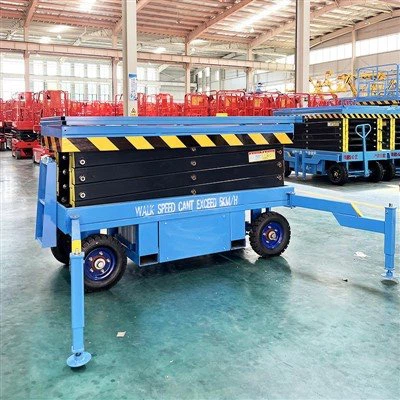
First off, let’s get one thing straight: not all mast lifts are made equal. Indoor models are usually light, have tiny wheels, and their metal frames don’t stand a chance against rain, mud, or uneven concrete. Outdoor ones? They’re built tough, but there are still different types for different jobs. Let’s start with the two main categories that actually get used outside: rough-terrain mast lifts and electric self-propelled mast lifts. Wait, I know, you’re probably thinking “electric’s only for inside” — but hear me out, there are outdoor-rated electric ones that don’t guzzle gas like a truck.
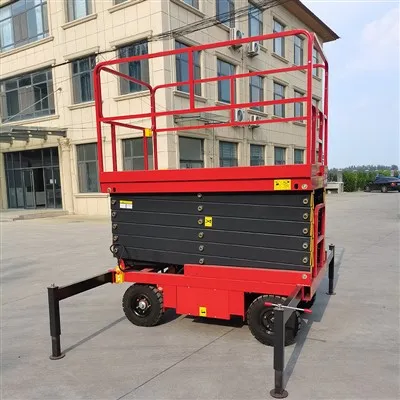
Rough-terrain mast lifts are the workhorses, no cap. These bad boys are built for uneven, muddy, sloped ground—think construction sites, landscaping jobs, or roofing work where the terrain’s not perfectly flat. Their wheels are way bigger than indoor lifts, usually rubber with deep treads that grip dirt or gravel, and the frame’s reinforced to handle bumps from curbs or ruts. But here’s the thing to watch: don’t buy a rough-terrain lift just ‘cause it looks tough. Check the ground clearance first—if it’s less than 6 inches, it’ll scrape on a small mound or a pile of rocks and get stuck instantly. I had a customer last year who picked a super cheap rough-terrain lift from a no-name brand; its ground clearance was only 5 inches, and he got stuck on a 2-inch concrete chunk 10 minutes into a driveway paving job. Total disaster, and he had to pay a tow truck to pull it out—cost him more than the lift was worth for that day.
Then there’s the outdoor-rated electric self-propelled mast lift. A lot of people sleep on these ‘cause they think gas is the only way to go for rough jobs, but modern lithium-ion batteries are a game-changer. They’re quieter than gas, don’t fume, and they’re way more maneuverable than big rough-terrain lifts—perfect for jobs like window cleaning on multi-story buildings, exterior painting, or maintenance on a parking garage where you don’t want loud engine noise bothering people. But they’re not for super muddy or steep slopes—most outdoor electric mast lifts max out at like a 2% slope, so if you’re working on a hillside, rough-terrain is still your guy. I sell both, and I always tell people: if your job’s mostly flat outdoor concrete or asphalt with minor obstacles, go electric. If it’s dirt, gravel, or uneven ground, go rough-terrain.
Now, let’s talk about the parts that actually matter for outdoor use, ‘cause even if you pick the right type, a lift with cheap parts will die fast. First, the mast itself. Indoor masts are usually aluminum, which is light but not great for UV exposure—sunlight makes aluminum brittle after a couple years outside. Outdoor masts should be galvanized steel, or at least have a powder coat that’s rated for UV rays and rust. I had a customer who stored his indoor mast lift outside “for a week” and came back to find the mast’s rails rusted so bad the lift wouldn’t extend. Total waste of time and money. Galvanized steel doesn’t rust even if it sits out in the rain for months, and UV-resistant powder coat keeps it from fading and cracking in the sun.
Next, the wheels and tires. I mentioned rough-terrain has big treads, but even outdoor electric lifts shouldn’t have those tiny hard plastic wheels you see on indoor models. Look for pneumatic tires (the ones that hold air) with a thick, puncture-resistant rubber—they can handle nails, small rocks, and even slight puddles without going flat. Solid rubber tires are an option too, but they’re harsher on the ground (bad for paved areas that you don’t want to scratch) and they don’t absorb bumps as well. So if you’re working on both concrete and dirt, pneumatic’s the way to go.
Then there’s the power source, which I touched on earlier but need to expand. Gas-powered rough-terrain lifts are great for super tough jobs, but they’re loud, fume-heavy, and need constant maintenance (changing oil, filters, etc.). If you’re working in a residential area, a park, or a building where ventilation is limited, gas is a no-go. That’s where the outdoor electric lifts come in—new lithium-ion batteries last 8+ hours on a single charge, even when you’re extending the mast up 30 feet, and they charge in like 2 hours, which is way faster than old lead-acid batteries. I had a roofing contractor switch from gas to electric outdoor lifts last year, and he told me he saved $400 a month on gas and maintenance ‘cause he doesn’t have to deal with oil changes or filter swaps. The only downside? Lithium-ion is a bit more expensive upfront, but over time it pays for itself.
Wait, let’s not forget about weight capacity and height. A lot of guys look at the max height first, but if you’re carrying two workers plus tools, you need to check the weight limit. Outdoor lifts usually have a higher weight capacity than indoor ones, but don’t max it out—if you have a 500lb capacity, don’t put two 250lb guys up there with a bunch of roofing materials, that’s a safety hazard. Also, make sure the lift is rated for the height you need. A 30-foot mast lift is fine for single-story building work, but if you’re working on a 5-story apartment complex, you need a 50-foot or higher lift. But here’s a tip: don’t get a lift taller than you need ‘cause it’ll be less stable in wind. Most outdoor lifts have a wind rating—look for one that’s rated for at least 20mph, ‘cause wind is a big issue when you’re 40 feet up. I had a painter get blown around last month when he used a 60-foot lift on a day with 25mph wind; he was lucky he didn’t fall. Always check the wind rating before you go up.
Now, what about common mistakes people make? First, buying a used lift without checking its outdoor condition. I’ve seen used mast lifts that were stored outside for years, with rusted masts, flat tires, and dead batteries. They might look cheap, but repairing them will cost more than buying a new, entry-level outdoor lift. Second, not considering the terrain. Like I said earlier, if you bring a lift meant for flat concrete to a muddy construction site, you’ll get stuck. I had a customer try to use an indoor electric mast lift on a muddy driveway last summer; it sank 6 inches into the mud, and his crew had to use a backhoe to pull it out. Total waste of a whole day’s work. Third, forgetting about storage. Even tough outdoor lifts can get damaged if you leave them out in the rain, snow, or extreme sun. Get a simple cover, or store it in a garage or shed if you have space. I recommend telling all my customers to invest in a cover—it’ll extend the life of their lift by years, no exaggeration.
Wait, let’s test this with real-life jobs. Let’s say you’re a landscaper working on a backyard project: you need to trim trees 25 feet up, move around uneven grass and small dirt mounds. What do you pick? A mid-sized rough-terrain mast lift, right? It has big tires to grip the grass, ground clearance to get over small roots, and a 25-foot height that’s perfect for tree trimming. Another example: you’re a window cleaner working on a 3-story office building, parked on the paved street out front. You don’t want loud engine noise bothering the people inside, and you don’t have to go over any uneven ground. So an outdoor-rated electric self-propelled mast lift is the way to go. It’s quiet, maneuverable, and easy to move around the curb. And if you’re a contractor building a new house, working on roofing that’s on a slightly sloped lot? A rough-terrain lift with a 2% slope rating will handle that slope no problem, plus it can move over gravel and small rocks.
Now, as a supplier, I’ll be real with you: I don’t push the most expensive lift just to make a sale. I ask you three questions: what kind of terrain will you be on? What’s your max height and weight capacity? Will you be working in a residential area where noise is a factor? Then I point you to the one that fits your needs, not the one that’s the priciest. A lot of my competitors will try to sell you a $20k rough-terrain lift when you only need a $12k outdoor electric one ‘cause they make more commission. I don’t do that—my customers come back ‘cause I give them the right advice, not the sales pitch.
Let’s also talk about maintenance, ‘cause even the best lift needs upkeep to work outdoors. For rough-terrain lifts, check the tire pressure every week (low pressure will make it get stuck easier), grease the mast rails every month to keep them moving smoothly, and wash off mud after every job to prevent rust. For outdoor electric lifts, keep the battery terminals clean to avoid corrosion, check the tire tread for punctures, and keep the cover on when you’re not using it. I send all my customers a free maintenance cheat sheet when they buy a lift from me—no extra charge, ‘cause I want them to get the most out of their machine.
Wait, one last thing: safety. Outdoor mast lifts have safety features that indoor ones might not, like better stability controls for sloped ground, guardrails that are higher, and emergency stop buttons that are weatherproof. Never use an indoor mast lift outdoors—even if it has wheels, it’s not built to handle the elements. I’ve seen too many near-misses where someone used an indoor lift outside and it tipped over on uneven ground. It’s just not worth the risk.
At the end of the day, choosing the right outdoor mast lift isn’t about picking the biggest or the cheapest one. It’s about matching the machine to your specific job: terrain, height, power needs, and noise requirements. If you’re still not sure what you need, just reach out. I can walk you through different models, answer any questions, and help you find something that fits both your job and your budget. No pressure, no sales fluff—just honest advice from someone who’s been in this game long enough to know what works and what doesn’t.
Don’t waste another job with a lift that’s wrong for outdoor use—get the right one, and you’ll save time, money, and a whole lot of headaches. If you’re ready to chat about your needs, just reach out anytime to connect and find the perfect mast lift for your outdoor projects.
Scissor Lift References
- Occupational Safety and Health Administration (OSHA). (2022). Powered Industrial Trucks and Aerial Lifts: Outdoor Use Requirements.
- Access Equipment Manufacturers Association (AEMA). (2023). Guide to Rough-Terrain vs. Electric Aerial Lifts for Outdoor Applications.
- National Safety Council (NSC). (2021). Common Hazards of Improper Aerial Lift Use in Outdoor Construction Sites.
Shandong Zhongke Huali Machinery Co., Ltd.
As one of the most professional mast lift manufacturers and suppliers in China, we also support customized service. We warmly welcome you to wholesale discount mast lift in stock here from our factory. For price consultation, contact us.
Address: No. 2 Qubai Road, Qudi Street, Jiyang District, Jinan City, Shandong Province
E-mail: hlizhonggong@163.com
WebSite: https://www.hualiheavy.com/
