As a Stage Socket supplier, I’ve seen firsthand how even a tiny, overlooked raw material flaw can turn a gig into a total disaster—think a band cutting out mid-guitar solo, or a DJ’s set dying right as the crowd hits the peak. Stage sockets aren’t just random parts we plug in; they’re the backbone of every live show, conference, and production that relies on seamless power. That’s why our entire process starts way before we ever touch a screwdriver or solder. It’s all about locking in raw material quality early, so we don’t have to play catch-up later. Here’s exactly how we do it, no fancy industry jargon or overcomplicated steps—just what works for us, and what’ll work for your next big event. Stage Socket
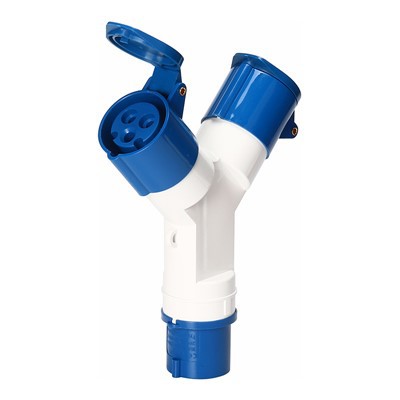
First off, let’s cut to the chase: not all raw materials are created equal, and when it comes to stage sockets, we’re picky about three core stuffs: the contact pins, the outer housing, and the internal insulation. These aren’t random components—each has a job that can make or break performance. I remember a few years back, we used a batch of cheap brass for contact pins because it was 10% cheaper, and within three months, clients started reporting intermittent power drops during outdoor festivals. Turned out the thin brass corroded fast from humidity, which is basically kryptonite for stage gear that’s hauled around in truck beds and set up in weird, damp venues. That mistake cost us a few big accounts and a lot of stress, so now we have non-negotiables for every single raw material, no exceptions.
Let’s start with contact pins, the most important part of any socket. These are what carry the power, so if they’re flimsy or corrode easy, you’re done. We stopped buying generic brass years ago—now we only go for high-tensile, tin-plated copper alloy. Wait, I know that sounds technical, but here’s the real-talk breakdown: tin plating is non-negotiable because it resists oxidation, which is why those old cheap pins corroded so fast. But why copper alloy? Because pure brass bends way too easily when someone yanks a cable (yes, people yank cables—stage crew are in a hurry, they don’t slow down to plug in gently). We test every pin batch two ways: first, a pull test—we yank on them with a set amount of force (about 50N, that’s like pulling a full 11lb bowling ball) and make sure they don’t shift or deform. Second, we run a salt spray test for 48 hours, which mimics the humidity and salt air of coastal venues, to check for rust or oxidation. If even 1% of a batch fails either test, the whole thing gets sent back, no questions asked. Last year, a supplier tried to pass off a batch with a thinner tin plating—our test caught it right away, before it even made it to our workshop, which saved a client from a huge festival headache.
Next up, the outer housing. Stage sockets get thrown around, dropped, left out in the rain, and stuffed into gear racks tight enough to jam. We use reinforced polycarbonate for ours, not flimsy plastic that cracks when you drop it. How do we make sure it’s the right stuff? We do a bunch of simple, practical tests in-house, no fancy lab needed. First, a drop test: we drop the socket from 2 meters (that’s about 6.5 feet, so high enough to be a big drop) onto concrete, three times. If the housing cracks or the pins move inside, it’s trash. We also test for temperature resistance—stage venues can be sweltering in summer (think 40°C/104°F backstage with all the lights and gear running) or freezing in winter outdoor shows. We bake sample housings in an oven at 85°C for 48 hours, and chill them in a freezer at -40°C for the same time, then check for brittleness or warping. If it gets brittle in the cold, it’ll shatter if you step on it; if it warms up and melts, that’s a fire hazard. We once had a batch that warped a little after the oven test, so we sent it back immediately—better safe than sorry, especially when people are climbing around stage equipment.
Then there’s the internal insulation, which is just as critical as the pins. This stuff separates the live wires from the housing, so no electric shocks, no short circuits. We use flame-retardant nylon for this, which is non-negotiable because stage venues have tons of heat sources—lights, amps, generators—so fire risk is real. We test this with a vertical flame test: we hold a small piece of insulation over a flame for 10 seconds, then remove it. If it stops burning in under 10 seconds, it passes; if it keeps going, it’s out. I’ve seen way too many cheap sockets that use regular plastic, which melts and catches fire when it gets too hot—total nightmare for a backline crew. We also check for creepage distance, which basically means how far the insulation is between the pin and the housing. If it’s too close, electricity can arc, which is bad for you and your gear. We measure every batch with a simple caliper (no fancy meters, just basic tools) to make sure it meets our standard.
But here’s the thing: even if you have great raw materials, if your supplier is cutting corners on consistency, you still get garbage. So we vet every raw material supplier like they’re part of our team, not just a vendor. We don’t just take their word that their brass is tin-plated—we do on-site audits twice a year. Last year, one of our metal suppliers had a machine that wasn’t applying enough tin to the pins; their quality control team missed it, but when we went to check, we caught it. We sat down with their production manager, fixed the problem, and now they’re one of our most trusted suppliers. We also keep multiple suppliers for every key material—so if one supplier has a delay, we don’t have to push back client orders, which is huge in the event industry where timelines are non-negotiable. A big festival can’t wait two weeks for sockets; they need them when they say they need them.
Another big part is traceability. Every batch of raw materials we get has a lot number, and we log everything—who made it, when it was tested, what the results were. If a batch ever does fail (knock on wood), we can track exactly where it went, which client got it, and replace it immediately. A couple years back, we had a small batch of housing that had a tiny crack in a few units—we found out when we did our in-house final inspection, contacted the client that had received them, and swapped every single socket out before the gig started. The client was mad at first, but when we showed them our trace records and how we fixed it, they ended up becoming a repeat client, because they knew we stand behind our work.
Wait, I know what you’re thinking—this all sounds like it would cost way more, right? Let’s be real, we’re not the cheapest stage socket supplier out there. But we’ve turned down bulk orders from big companies that wanted cheap, untested sockets, because we don’t want to be the reason a show gets canceled. We’ve also had clients come to us after a bad experience with cheap sockets, and when they see our testing process, they say it’s worth the extra couple bucks. Last quarter, a touring band that plays huge stadiums switched to us after their gear tech told them our sockets “don’t fail when we yank them.” That’s the kind of feedback that matters more than any sale.
Here’s the bottom line: for stage sockets, raw material quality isn’t a checkbox—it’s the foundation of everything that comes after. You can have the best design in the world, but if your pins corrode, your housing cracks, or your insulation melts, you’re gonna have a bad time. We don’t cut corners on testing, we don’t skip audits, and we don’t accept anything that doesn’t pass our standards. If you’re in the market for reliable stage sockets that won’t leave you hanging mid-set, get in touch with us to chat through your needs, no pressure. We can walk you through our process, send you test results, and make sure you’ve got the right gear for your next event.

Before I wrap this up, I should mention that all our testing is aligned with standard industry benchmarks for stage power equipment, so you can trust that what we make meets the safety and performance requirements for any venue, big or small. No shortcuts, no guesswork—just gear that works when you need it to.
Industrial Connector References
- National Electrical Manufacturers Association (NEMA) Standards for Stage and Lighting Equipment
- International Electrotechnical Commission (IEC) 60320: Connectors for Household and Similar Electrical Appliances
- Occupational Safety and Health Administration (OSHA) Guidelines for Electrical Safety in Entertainment Venues
Zhejiang Hefeng Electric Co., Ltd.
Address: Wenzhou Daqiao Industrail Park, Beibaixiang Town, Yueqing City, Zhejiang Province, China
E-mail: hefengplug@chinahfe.com
WebSite: https://www.hfcee.com/
