As a supplier of disposable venous blood collection needles, I’ve witnessed firsthand the intricate details that matter when it comes to medical devices. One question that often arises is the impact of needle length on blood collection. In this blog post, I’ll delve into this topic, exploring the scientific and practical aspects of how needle length affects the blood – collection process. Disposable Venous Blood Collection Needles
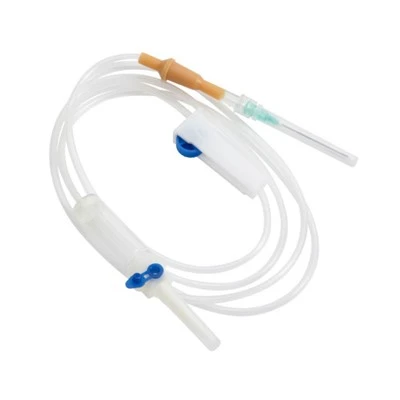
The Basics of Disposable Venous Blood Collection Needles
Disposable venous blood collection needles are essential tools in the medical field. They are designed to be used once and then discarded, reducing the risk of cross – contamination and infection. These needles typically consist of a sharp tip for piercing the skin and a lumen through which blood can flow. The length of the needle varies, and this variation is not arbitrary; it serves different purposes based on the patient’s characteristics and the blood – collection requirements.
Factors Influencing Needle Length Selection
Patient Anatomy
The most significant factor in determining the appropriate needle length is the patient’s anatomy. Different patients have different vein depths. For example, in pediatric patients or patients with very thin skin and superficial veins, a shorter needle may be sufficient. Shorter needles, usually around 1 – 1.5 inches in length, can easily reach the superficial veins without causing unnecessary trauma. On the other hand, in obese patients, the veins may be deeper beneath the skin. A longer needle, perhaps 1.5 – 2 inches or more, is required to ensure that the needle can penetrate through the layers of subcutaneous fat and reach the vein effectively.
Vein Location
The location of the vein also plays a crucial role. Veins in the antecubital fossa, which is a common site for blood collection, are relatively deep compared to some hand veins. When collecting blood from the antecubital fossa, a longer needle may be needed to access the veins properly. In contrast, hand veins are more superficial, and a shorter needle can be used.
Impact of Needle Length on Blood Collection Success
Adequate Venous Access
The right needle length is essential for achieving adequate venous access. If the needle is too short, it may not reach the vein at all, resulting in a failed blood – collection attempt. This not only causes discomfort to the patient but also wastes time and resources. For instance, in a busy clinical setting, multiple failed attempts can lead to delays in patient care. In some cases, repeated needle insertions can cause bruising and damage to the surrounding tissues.
On the contrary, if the needle is too long, it can pierce through the vein, a phenomenon known as “through – and – through” puncture. This can lead to hematoma formation, as blood leaks into the surrounding tissues. Hematomas can cause pain, swelling, and a longer recovery time for the patient.
Blood Flow Rate
Needle length can also affect the blood flow rate. A properly sized needle allows for a smooth flow of blood into the collection tube. When the needle is of the appropriate length and has entered the vein correctly, the blood can quickly fill the tube by the action of the vacuum in the collection tube or the pressure difference between the vein and the tube.
If the needle is too short and does not fully penetrate the vein, the blood flow may be restricted. The lumen of the needle may not be fully in the vein, causing partial blockage and a slower flow rate. This can lead to incomplete filling of the collection tube, which may affect the accuracy of laboratory tests.
Impact on Patient Comfort
Patient comfort is a significant consideration in blood collection. A needle that is too long can cause more pain during insertion. The longer the needle, the greater the distance it has to travel through the skin and subcutaneous tissues, which can stimulate more pain receptors. Additionally, a long needle may cause more tissue damage during withdrawal, leading to post – collection pain.
On the other hand, a very short needle may require more force to insert if it is difficult to reach the vein, which can also cause discomfort to the patient. Therefore, finding the right balance in needle length is crucial for minimizing patient pain and improving the overall blood – collection experience.
Impact on Safety
Needlestick Injury Risk
The length of the needle can influence the risk of needlestick injuries. Longer needles may pose a higher risk of accidental needlestick injuries to healthcare workers. When handling a long needle, there is a greater chance of the needle tip accidentally coming into contact with the skin, especially during the process of needle removal or disposal.
Medical facilities are vigilant about preventing needlestick injuries, as they can transmit blood – borne pathogens such as hepatitis B, hepatitis C, and HIV. To mitigate this risk, it is important to select the appropriate needle length for the blood – collection procedure and ensure that proper safety protocols are followed.
Choosing the Right Needle Length as a Supplier
As a supplier of disposable venous blood collection needles, I understand the importance of providing a range of needle lengths to meet the diverse needs of our customers. We work closely with medical professionals to understand the specific requirements of different patient populations and clinical settings. Our product line includes a variety of needle lengths, from short needles for pediatric and superficial vein collection to longer needles for deep – vein access in obese patients.
We also provide education and training resources to our customers. We offer information on how to select the appropriate needle length based on patient characteristics and vein location. This helps healthcare providers make informed decisions and improve the quality of blood – collection procedures.
Conclusion
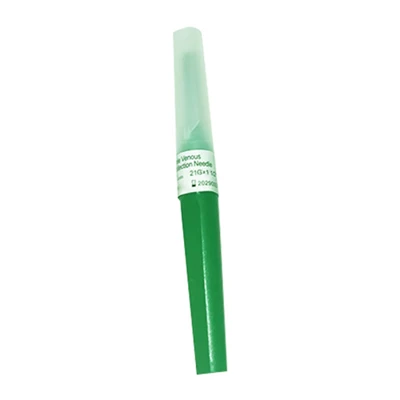
The impact of needle length on blood collection with disposable venous blood collection needles is multi – faceted. It affects the success of blood collection, patient comfort, and safety. As a supplier, our responsibility is to provide high – quality products with a range of needle lengths and support our customers with the knowledge they need to use these products effectively.
Disposable Sterile Insulin Syringe If you are a healthcare provider, medical facility, or distributor interested in our disposable venous blood collection needles, we invite you to contact us for a procurement discussion. We are committed to providing the best solutions for your blood – collection needs.
References
- World Health Organization. Guidelines on safe injection practices. Geneva: World Health Organization; 2011.
- Garcia – Alonso JL, Pérez – Bermúdez F, Romero – Marín S, et al. Safety of adult and pediatric phlebotomy: a prospective, randomized, controlled trial using different blood collection techniques. Transfusion. 2018;58(2):402 – 412.
- Corwin HL, Gettinger A, Pearl RG, et al. The CRIT Study: anemia and blood transfusion in the critically ill–current clinical practice in the United States. Crit Care Med. 2004;32(3):627 – 634.
Shandong Zhushi Pharmaceutical Group Co., Ltd.
Shandong Zhushi Pharmaceutical Group Co., Ltd. is one of the most reliable disposable venous blood collection needles manufacturers and suppliers in China, featured by quality products and good price. Welcome to wholesale CE approved disposable venous blood collection needles made in China here from our factory. Contact us for customized service and pricelist.
Address: No 6th food and drug industry park economic and technological development zone, shan county 274300 Heze, Shandong PEOPLE’S REPUBLIC OF CHINA
E-mail: admin@cnzhushigroup.cn
WebSite: https://www.zhushimed.com/
